


(World Senior Citizens’ Day – 21 August)
We are fortunate to live in a time when so many of our elderly are living lives of unexpected health and financial security, but such was not always the case. Throughout history old age was not something an individual expected to reach, and so we lost the wisdom and experience of these individuals at an early age. Senior Citizen Day celebrates the fact that these keepers of wisdom are staying with us longer each year, and in better health. Getting old is not easy. You have been independent your whole life, and then you feel this being stripped away from you. It can be very difficult to deal with, and that is why we all need to make sure that we are there for our older people in general. That’s what this day celebrates, and it’s special to be a part of it. A community is known by the way it treats its vulnerable section of society, the elders. Traditionally, in India, it has been a part of our culture for the society and the family to care for elders. Senior citizens are held in high esteem and given priority and respect in all matters. By virtue of the long experience they carry; they can well be christened as ‘Knowledge Production Factories’ of society. With the longest life expectancy, we have more and more people living to a ripe old age and able to share their wisdom, stories, and experience with several generations. But it is felt that owing to transformation in our attitude it is hard reality that between the broad smiles, behind the cheerful exterior and in those moist, rheumy eyes of our elders, lies an untold story – A tale of loneliness, anxiety, fear and uncertainty that senior citizens leave untold. Senior citizens do not get the attention and help they deserve. All India Senior Citizens Federation estimates that seven out of every 10 senior citizens in the country live in poverty. Of the more than 100 million senior citizens, 70 million have retired from the unorganized sector and have no pension or social security. Help age India had estimated that every second senior citizen faced abuse from relatives. Senior citizens feel neglected. The cases of elderly neglect, abandonment and abuse are rampant across the country, most of which go unreported as a result of poor social and community support. If we traverse the pages of legal weapons available that can come to the rescue of abandoned parents, we find: Hindu Adoption and Maintenance Act, 1956. Section 20 of the Act entitles parents to claim maintenance from their son and daughter, if they are unable to maintain themselves. Muslim Personal Law also speaks of a bounden duty on sons and daughters to maintain their parents if they are unable to do it. Section 125 of The Code of Criminal Procedure 1873, also provides relief for deserted parents to seek maintenance through Court. In 2007, the Parliament passed the Maintenance and Welfare of Parents and Senior Citizens Act. The Act makes it a legal obligation for children and heirs to provide maintenance to senior citizens and parents, by monthly allowance. It also provides a simple, speedy and inexpensive mechanism for the protection of life and property of the older persons. The provisions contained in the Act are: Protection of Senior Citizens: Any person who is responsible for the protection and cares of a ‘senior citizen’ and intentionally abandons the ‘senior citizen’ completely is liable to pay a fine of Rs 5,000 or be imprisoned for 3 months or both. Definition of Maintenance: Maintenance is defined in the Act as including “provision for food, clothing, residence and medical attendance and treatment”. Who Can Claim Maintenance? Parents: Parents means biological, adoptive and step parents. The age of parents is irrelevant to claim maintenance. Grandparents: Grandparents include both maternal and paternal grandparents. Senior Citizen: A senior citizen is an Indian citizen who is 60 years of age or older. (The only condition for claiming maintenance under this Act is that the persons must be unable to maintain themselves from their own earnings and property.) Who is legally obligated to pay maintenance? Adult children and grandchildren, both genders, are responsible for paying maintenance to parents and grandparents. Senior citizens who do not have children or grandchildren can claim maintenance from a relative who either possesses their property or who will inherit the property of the senior citizen after their death. Filing Maintenance Proceedings: An application for maintenance can be filed by the senior citizen or a parent himself, or if such person is incapable, then by any other person or any registered organization authorized by him before the Maintenance Tribunal in any district where the subject resides. The Tribunal may, during the pendency of the proceeding regarding monthly allowance for the maintenance under this section, order such children or relatives to make a monthly allowance for the interim maintenance of such senior citizen including parent and to pay the same to such senior citizen including parent as the Tribunal may from time to time direct. How much Maintenance must be paid? The Act mandates that the maximum maintenance paid will be Rs 10,000 per month. The maintenance amount is determined by the needs of the claimant and the aim is to provide maintenance for the person to lead a normal life. Non – representation of Lawyer for filling maintenance proceedings: The Act states that no party to a proceeding before the Maintenance Tribunal will be represented by a lawyer. However, parents or senior citizens can avail the services of the State Government appointed Maintenance Officer to represent their interests during proceedings before the Maintenance Tribunal. Responsibility of the state government: The State Government must ensure that all government hospitals and hospitals partly or fully funded by the government arrange separate queues for senior citizens and provide beds for all senior citizens. Additionally, every district hospital must have special facilities for senior citizens. Every district must have at least one old age home for senior citizens who are poor and needy. Here the Government has a responsibility to embrace, uphold and protect the rights of senior citizens, as enshrined in the Act. Come what may, we must strive for the intergenerational connection, so that younger generations can benefit from the experience, knowledge and wisdom of older citizens. Bridging the intergenerational gap also helps us to ensure that there is continuity in knowledge production.
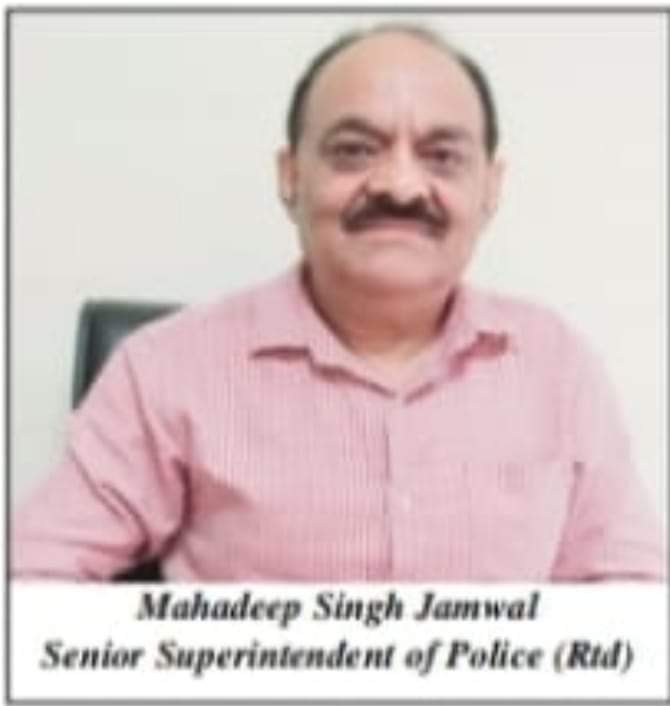
Mahadeep Singh Jamwal
President
Senior Citizens’ Club (Regd) Udhampur
Senior Citizens’ are ‘Knowledge Production Factories’


RELATED ARTICLES
