


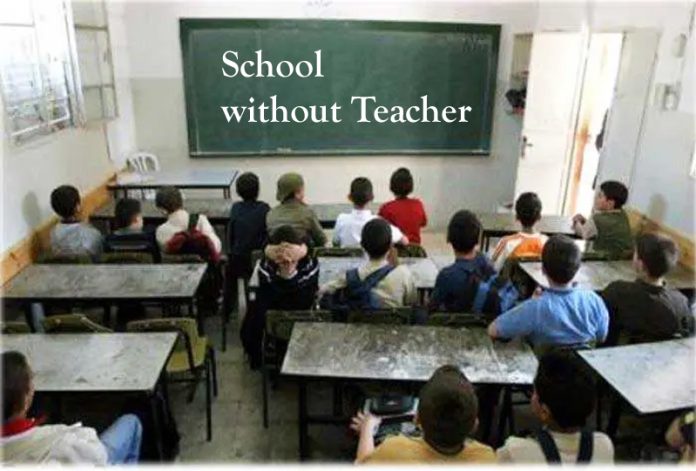
The state of education in Jammu Division is in crisis, marked by the alarming absence of leadership in schools and the severe disruption of academic processes. With over 400 vacancies for Headmasters and Principals across high schools and higher secondary schools, the system is being crippled by systemic apathy and administrative failure. This absence of leadership not only jeopardizes the future of students but also undermines the credibility of the entire School Education Department in Jammu.
Headmasters and Principals are the bedrock of any educational institution. They are the guiding force, overseeing discipline, ensuring academic progress, and mentoring both teachers and students. Without them, schools become rudderless ships, adrift in a sea of confusion. When 385 high schools and 40 higher secondary schools in Jammu are left headless, it paints a grim picture of how little the government values the education of its youth. The consequences are already being felt—teachers lack direction, students lack mentorship, and academic progress is stifled.
The situation has been further exacerbated by a decision to divert teachers to non-teaching duties at the peak of the academic session. Teachers, instead of preparing students for their annual examinations, were reassigned to conduct a Baseline Survey under Project YUVA. The result? Hundreds of teachers were pulled from classrooms, leaving schools severely understaffed. In many schools, where there was already only a single teacher, this disruption effectively brought the academic year to a standstill. The decision, made without consulting the Chief Education Officers, speaks volumes about the government’s short-sighted approach to education.
The crisis is not confined to the absence of leadership within schools. The vacancy of 62 out of 97 Zonal Education Officer (ZEO) posts further compounds the problem. These ZEOs play an essential role in overseeing school operations, addressing grievances, and maintaining academic standards. Their absence has left schools without the support they need, turning the administrative machinery into a broken system.
Equally troubling is the irony that seniority lists for the promotion of teachers and administrators have been prepared, with vigilance clearances already obtained, yet the promotion lists have not been released. This delay is inexplicable and adds to the growing frustration of those working within the system. The students—the ultimate victims—continue to bear the brunt of this administrative incompetence. As their teachers are diverted to non-teaching tasks, students face a staggering lack of guidance during a crucial period in their academic careers. Poor results in the Class 10th and 12th exams are a natural consequence, severely limiting their opportunities for higher education and employment.
Sadly, this is not an isolated problem. Teachers are often diverted to election duties, and government schools are frequently turned into polling booths, forcing suspensions of classes for days due to security concerns. Teachers, already overburdened, are held accountable for student performance, even when the true causes lie within systemic failures. Punitive actions, halted increments, and lack of support only demoralize the teaching staff, further exacerbating the crisis.
The Jammu education system is at a crossroads, and immediate intervention is required. The government must prioritize filling the vacant posts of Headmasters, Principals, and ZEOs with qualified and competent individuals. This must be done through a transparent, merit-based process, ensuring that leadership in schools is restored quickly. Teachers must be relieved of non-teaching duties, particularly during peak academic sessions, so they can focus on their primary responsibility—teaching and mentoring students.
Moreover, the government must take a long-term view to reform the education system in Jammu. This crisis is not just about filling vacancies; it is about rebuilding the system from the ground up. Infrastructure needs to be improved, resources need to be allocated more effectively, and most importantly, teachers must be supported and motivated to do what they do best—educate the next generation.
The future of Jammu’s youth cannot be held hostage by administrative delays and policy failures. The time for urgent and decisive action is now. If the government truly values education and the future of its children, it must make these reforms a top priority. The clock is ticking, and the students of Jammu deserve nothing less.

