


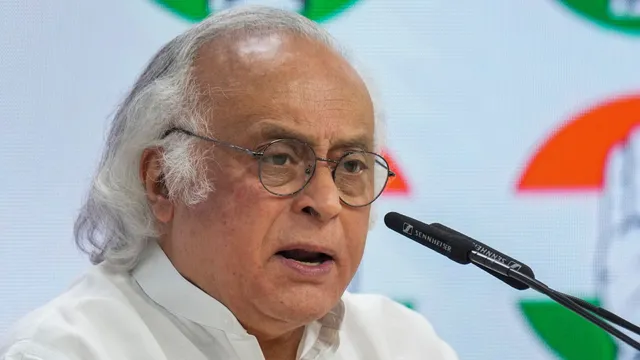
The Congress party emphasized that the Indian government must address the legitimate aspirations of the people of Ladakh at the very earliest. This statement came in the wake of distress and anguish expressed by residents during protests for statehood, which turned violent on Wednesday, resulting in four fatalities and over 90 injuries.
Congress general secretary in-charge communications Jairam Ramesh highlighted the intense disappointment among Ladakhis since the Union Territory’s formation six years ago. He stated, “The people of Ladakh had great expectations when the Union Territory of Ladakh was created but there has been massive disappointment and disenchantment.”
Ramesh expressed that the local population feels their land and employment rights are severely threatened. He criticized the ongoing bureaucratic takeover, stating, “The local administration and elected bodies have been taken over by the LG and the bureaucracy.”
He also pointed out that the people have only witnessed a series of meetings addressing their demands for protections under the Sixth Schedule of the Constitution and for an elected legislature. Historically, the Sixth Schedule offers autonomy to certain tribal areas, and its extension to Ladakh remains a prominent demand among local groups.
Adding to the layer of uncertainty, Ramesh referred to the geopolitical tensions regarding China’s actions on the Line of Actual Control. He accused Prime Minister Modi of presenting a “clean chit to China” on June 19, 2020, which has heightened concerns among Ladakh’s residents.
“Ladakh holds profound cultural, economic, ecological, and strategic importance to India,” asserted Ramesh, urging the government to heed the distress of the people. He stated, “The distress and anguish must awaken the Government of India’s conscience—not just for even more talks but for actually fulfilling their legitimate aspirations in FULL measure at the very earliest.”
Following the protests, an uneasy calm enveloped Ladakh on Thursday as police and paramilitary forces enforced a strict curfew in Leh town. Local authorities imposed the curfew after the demonstrations became violent, leaving several injured and leading to at least 50 detentions linked to the unrest.
The protests were part of a shutdown organized by the Leh Apex Body (LAB), demanding a secure future for Ladakh through the extension of the Sixth Schedule and recognition of statehood. The violent outburst reflects deep-seated frustrations among residents as they seek assurance of their rights and political representation.
As the central government grapples with an escalating situation in Ladakh, community leaders and representatives encourage dialogue. The pressing question remains—will the government act decisively to fulfill the legitimate aspirations of the people of Ladakh, or will unrest continue to shadow the region?

