


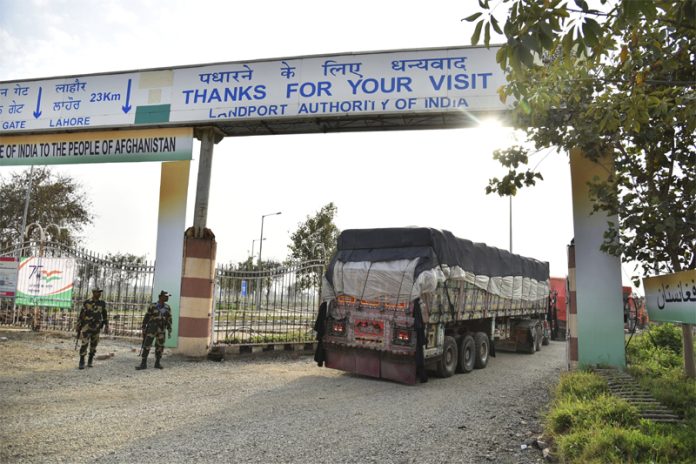
The recent heinous terrorist attack in Pahalgam, which claimed the lives of 26 innocent tourists, has shocked the nation and sparked a fierce response from the Indian government. In the wake of this tragic event, the Cabinet Committee on Security has unveiled a series of unprecedented retaliatory measures that mark a decisive shift in India’s approach to its volatile relationship with Pakistan. These actions, which include the suspension of the Indus Waters Treaty (IWT), the expulsion of Pakistani military attaches, and the closure of the Attari land-transit post, underscore the deepening chasm between the two nuclear-armed neighbours and signal the beginning of a new and more assertive phase in India’s foreign policy.
The attack on Pahalgam is not just another act of terror; it is a direct challenge to India’s sovereignty, stability, and its continuing progress in Jammu and Kashmir. That it came in the wake of peaceful elections and visible developmental strides in the region makes the assault even more sinister. It is widely believed that the perpetrators sought to derail India’s narrative of normalcy and growth in the Union Territory. In doing so, they have rekindled the long-standing spectre of cross-border terrorism—a menace India has repeatedly linked to elements within Pakistan’s establishment.
India’s response this time is not limited to strong words. It is a strategic blend of diplomacy and hard power. By suspending the IWT—a pact that has withstood wars and diplomatic crises since 1960—India has touched a core economic nerve in Pakistan. This treaty, often held up as a rare success in India-Pakistan relations, is symbolic of cooperation. Its suspension carries a potent message: India will no longer separate terrorism from other aspects of bilateral engagement. It is a clear warning that acts of terror will come at a tangible cost.
The closure of the Attari land border, the only active transit point between the two countries, further deepens the diplomatic freeze. This move will choke trade, disrupt people-to-people ties, and cut off even the minimal engagement that remained. The expulsion of Pakistani military attaches also underlines the gravity of the moment, signalling India’s willingness to isolate Pakistan diplomatically and hold it accountable in the international arena.
These actions also reflect a hardening of India’s long-standing policy of strategic restraint. Prime Minister Modi’s early tenure saw a conscious attempt to engage Pakistan in dialogue, but repeated betrayals, from Pathankot to Pulwama and now Pahalgam, have pushed India towards a zero-tolerance stance. The message is unambiguous: India will act decisively and without hesitation against threats to its national security.
This is a watershed moment in South Asian geopolitics. Pakistan, already facing international scrutiny over its terror links, must now confront a reality in which India is no longer willing to play by the old rules. If Pakistan continues to harbour or support terror actors, it must be prepared for more such consequences. The time for placation is over; decisive action and accountability are the need of the hour.

